

This month, Connecting Conversations is honoured to welcome Dr. Simon Opher MP as our featured guest blogger. Simon is a member of the College of Medicine, who currently host the Social Prescribing Network. He also chairs the Beyond Pills All Parliamentary Party Group (APPG) and the Creative Health APPG, both of which champion social prescribing to support community health and well-being. He is a figure whose life and work have been shaped by a deep commitment to listening, understanding, and acting on behalf of the communities he serves.
Before entering Parliament as the Member of Parliament for Stroud, Simon spent decades as a local GP. In that role, he met people from all walks of life, hearing their stories, struggles, and aspirations. Those countless conversations, often in moments of vulnerability, gave him a profound understanding of the challenges people face, from health and wellbeing to housing, transport, and environmental concerns. They also instilled in him a belief that genuine change begins with empathy and collaboration.
Simon's transition from medicine to politics was driven by a desire to address the root causes of the issues he saw every day in his surgery. In Westminster, he has become a strong advocate for preventive healthcare, mental health support, and tackling inequality at its source. His work extends beyond health policy and championing social prescribing, he is a passionate advocate for environmental protection, renewable energy, and the creation of green jobs that strengthen both the economy and the planet.
In his guest post, Simon reflects on the power of community, the importance of open dialogue, and the shared responsibility we all have in shaping a fairer, healthier, and more sustainable future. His words are thoughtful, grounded, and infused with the same compassion that defined his years as a GP.
We are thrilled to share Simon's insights with our readers and invite you to join the conversation because, as Simon often says, the best solutions are born when we truly listen to one another.
Enjoy the read!
Sian
Social prescribing has a history as long as medicine itself, and with the rapid overmedicalisation of medical systems, it is now needed more than ever.
The ancient Greeks took a holistic approach to healing. They believed that health was affected by their 'humors', where they lived, diet, beliefs, and mindset - joint participation, community, partnership, all played their part. At Epidaurus, site of the great ancient Greek theatre, was a temple dedicated to Asclepius (the mythological doctor-demigod). At that time, immersion in the arts was often seen as a way to settle a troubled soul and heal the stresses of life.
My interest in social prescribing began when I started life as a family doctor in Stroud in Gloucestershire in 1995. At that time we began prescribing physical exercise, via a prescription to the local authority gym. This could be for patients with diabetes or who were overweight or those people who were stressed and depressed.
As a family doctor, the burden of emotional illness is huge. After a few years of referring patients to counselling, or trying them on anti-depressant therapy, I realised that for many, these interventions simply did not work. They felt unwell because of a combination of depression, social isolation, poor relationships, money stresses, personality disorders, or, more generally, what some people have called "shit life syndrome" that combines many of these things. It was clear that anti-depressants did not work and I was left, as a doctor, with no options to offer these people. Because nothing helped them, they tended to attend frequently.
In 2000 I employed an artist in residence at my surgery in Dursley. We had never done anything like this before, and I wasn't aware that anyone else had either. People were sceptical.
We started with a ceramicist working in one of the nurses' rooms. Initially we would refer patients to her on a one-on-one basis and we found that two things happened. Firstly, the patients became happier, and they stopped coming to see doctors. After some time, she formed a group from the patients she was seeing. People began to look out for each other and share lifts.
The other thing that happened consistently was that the creative outcomes they achieved (their ceramics), were much better they thought they were capable of. It seemed to improve their self esteem.
From that basic beginning we developed a whole host of interventions - painting, drama, poetry, dance - and as we got more confident we introduced things like allotments, built on some waste land owned by the hospital authority. These were wildly successful, and there are now over 80 allotments, each individually prescribed by doctors and nurses.
However, some doctors remained sceptical. They wondered how poetry could repair a broken relationship, a broken heart or resolve a housing problem. The answer, of course, is that neither do diazepam or Prozac - and the way that engaging and harnessing your creativity helps you reflect on life is simply more effective.
In 2006, we spread the scheme throughout Gloucestershire. More people got better. We now know that mental health scores are improved, although the studies undertaken vary widely in scope and methodology. We do know, however, that patients' GP attendance rates dropped by 37% and hospital admissions through A&E dropped by 27%. Our conclusion was that social prescribing both made people better and paid for itself many times over via saving in other parts of the NHS.
From 2012, the county of Gloucestershire, on the back of this work, commissioned a social prescribing service. The scheme was a collaboration between the county council and the NHS. People were referred for debt advise, housing issues, mental health, isolation. It was a very broad service, and was established well before the national rollout of the scheme between 2017 and 2019.
Nationally, now, social prescribers are present by law in every Primary Care Network. The range of services we offer is immense; from healthy walks to benefits checks, housing to creativity, gardening and the gym. It provides a crucial interface between the voluntary services and the NHS.
Personally, I have recently been developing a number of related projects.
The first of these is 'Comedy on Prescription'. Comedy has a brilliant way of communicating difficult messages in a way that is both clear and absurd. Patients are invited to comedy clubs, mostly housed in libraries, and comics come and do a 5-10 minute set each. There is a load of evidence about laughing, and (critically), laughing together that improves mood. Laughing also causes the release of endorphins from our intercostal muscles which is why we feel a little high after having a really good laugh. Comedy is a great way of getting people to talk and integrate and have a good time as well. We are working to roll out comedy for NHS patients up and down the country, in another method for reducing social isolation.
Social isolation is a very strong determinant for ill health. It has been calculated that social isolation carries the same health risk as smoking 15 cigarettes a day. And a huge swathe of our population are isolated, due to our current lifestyles. We spend less time socialising and more time on our phones. We spend less time outside and working from home is a mixed blessing. People who are not in employment or training are often very isolated and so through an employment adviser we are trialling a new way, through social prescribing, of getting people back into work, at first sometimes as volunteers and unpaid, but on a path to paid employment which in itself is a strong determinant of health. 'Jobs on prescription' has a certain ring to it.
As part of this work, and in conjunction with the Men's Health Strategy for England, we are recording 5 podcasts with comedians, sportsmen and musicians talking about comedy and about the mental health of men and boys, in front of an audience that have themselves been socially prescribed.
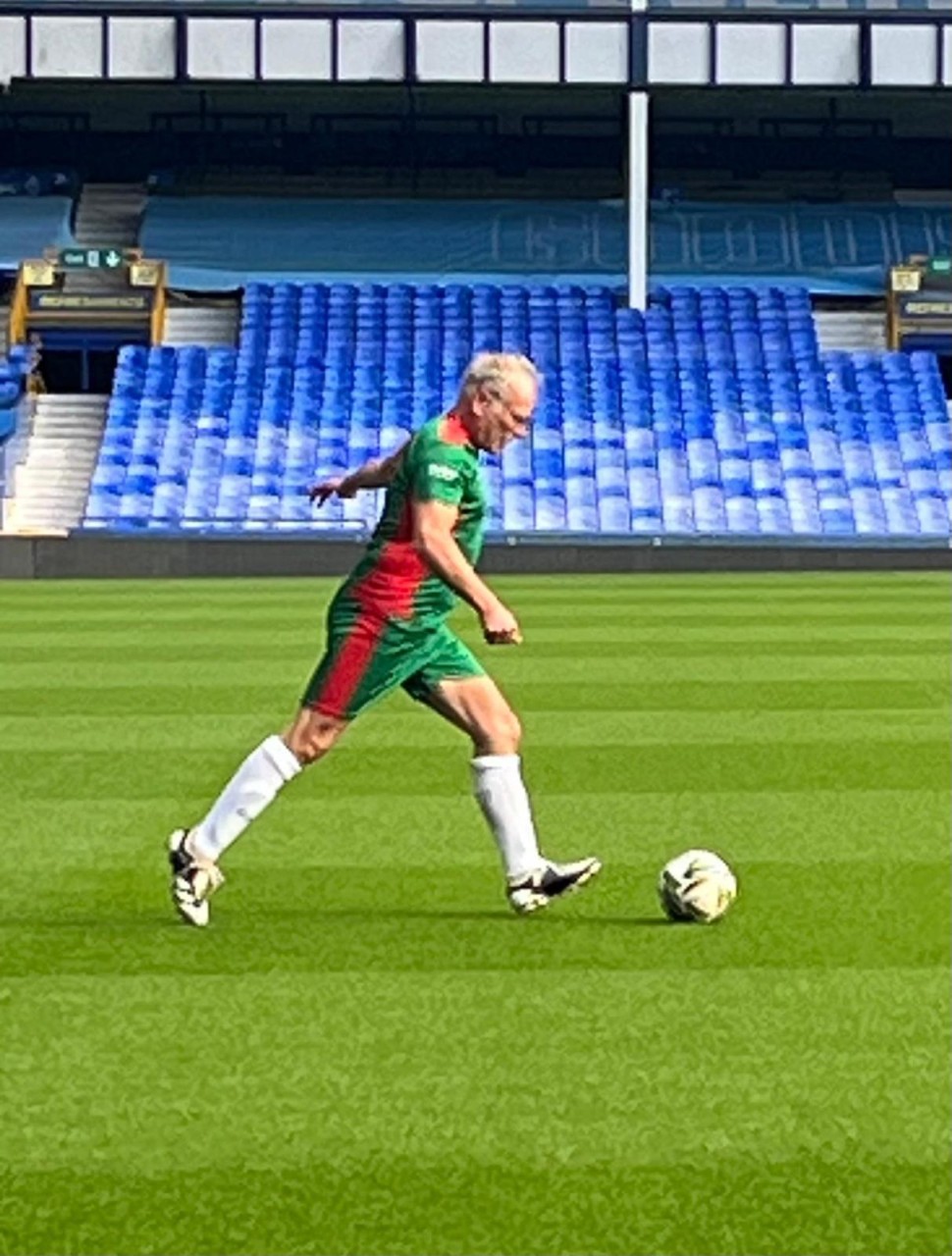
And in the sporting arena, we have pioneered a 'Football on Prescription' scheme where people can be prescribed a football game to go and watch. Often watching your team can build social cohesion and togetherness. Our first 28 patients have been through this with some very encouraging outcomes.
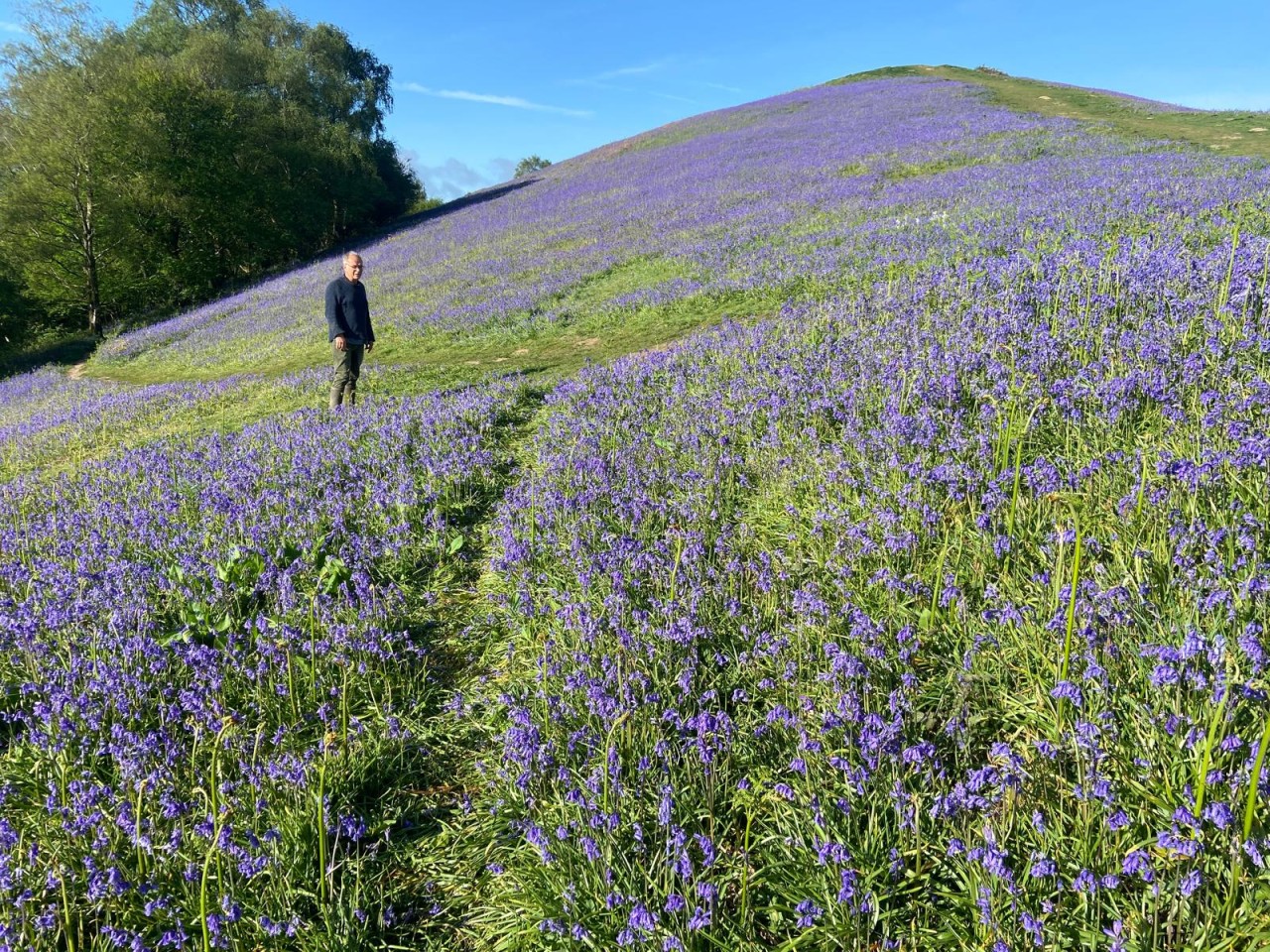
Social prescribing is the most important vehicle to help de-medicalise our lives. Doctors can help to push back against labelling all our emotions as diseases and instead help us regain our independence. And this is something about almost all social prescribing: once you have found that a walk in the green fields twice a week really helps you, you can do it for the rest of your life.
Part of the world I live: Stroud, Gloucestershire
Occupation: GP and MP
Why is social prescribing important? Essential to de-medicalise health care and make sure we use non pharmaceutical solutions for mental health
Your favourite nature based space? Oak woods
Your favourite music? Loads of different music, rock n roll, opera, Mexican, drum and bass
Your favourite pastime? Writing and wild swimming (not at the same time!)
If you had one wish for social prescribing what would it be? A social prescriber in every surgery, full time
What are your leadership tips for others who want to set up social prescribing projects? Get people doing it, then they will understand the value. Just start!
Which one person has most influenced you and why? Malcolm Rigler - an inspiring GP who showed what was possible if we work together
Any advice for others when working in this space with communities? Co-produce everything with community partners
When you subscribe to the blog, we will send you an e-mail when there are new updates on the site so you wouldn't miss them.
Comments