


Moving towards a healthier future
I first met Craig Lister about ten years ago when he was working with The Conservation Volunteers (TCV). We were both involved in the emerging world of social prescribing, and we quickly found ourselves sharing a strong interest in how we could better connect health, wellbeing and communities. We worked together on developing the Quality Standards for Social Prescribing. It was an exciting and interesting time, when there was a growing recognition that improving people's health and wellbeing needed to be about much more than what happened within traditional health services.
Craig has always brought a slightly different perspective to that conversation. His background is in physical activity and public health, but his thinking has always extended well beyond exercise. He has a strong belief in looking at the whole person and understanding the circumstances, relationships and communities that influence how people live and feel.
During his time at TCV, Craig led the Green Gym programme, helping to develop an approach that brought together physical activity, the natural environment and social connection. The programme went on to demonstrate real benefits for people and developed a strong evidence base.
What I have always appreciated about Craig is that he is prepared to challenge some of the assumptions we make about health and wellbeing. He asks whether we are really addressing the causes of poor health or simply managing the consequences. For him, social prescribing provides an opportunity to take a much more holistic approach, recognising the importance of social connection alongside physical and clinical interventions.
Craig's own description of what makes him well is telling: being active with friends and family. It captures something that can sometimes get lost in professional conversations about social prescribing. At its heart, this is about people, relationships and helping individuals find things that give their lives meaning and purpose.
I've always valued Craig's combination of professional expertise, curiosity and a real commitment to people and communities. His belief that social prescribing should have equity with other forms of prescribing is particularly powerful.
It is great to reconnect with Craig through Connecting Conversations and to hear his thoughts on where social prescribing has come from, where it is now, and where it might go next.
by Craig Lister
If you took one hundred steps, and that represented our journey from earliest humans to now, the placement of your foot on the last step would represent how we live today.
We have moved from habitual daily activity, using our evolving ingenuity to hunt animals far bigger than ourselves, building tools and shelter, eating a variety of natural food that changed throughout the seasons, having periods of very little food, being cold in the winter and having to work as effective teams to overcome adversity – to being predominantly sedentary, eating synthetic 'food', using chemicals to 'treat us' and having increasing isolation.
We have not adapted to this denatured world, how could we have in so little time?
We live in a hedonistic 'now' culture, where even the names of our social media (an oxymoron if I ever heard one) promote immediacy "snap chat", "Instagram", "TikTok", driving an 'always on' dopamine system, at odds with our natural position.
Labour saving devices, buy now pay later, an abundance of proactive 'not your fault 'litigation and emerging AI has created a population with learned helplessness.
….and the result, most people are overweight or living with obesity, a huge rise in depression and welfare claims for disability, a significant rise in all metabolic conditions, massive over reliance on pharmacology (as a first choice) and an NHS and health care system on its knees.
To those with any interest in medicine and wellbeing, this is not a surprise, the only surprise being that anyone is surprised.
To "denature" means to change the nature of, typically described as a chemical action through the addition of heat or an acid for example.
I believe we have denatured ourselves through the removal of habitual physical activity (which has its own endocrine function), the introduction of highly processed foods and other chemicals (i.e. in cleaning products) that have an epigenetic effect, through the reduction of face-to-face physical contact and socialising and the increase in pharmacotherapy as the first, and often only choice for medical intervention.
We are already seeing the fall out from this, where we go next is anyone's guess, I doubt it will be good though.
However, there is another route, one that has been used for millennia. Today we call this social prescribing, where the whole person is considered and the intervention is built around that person, to provide resilient progress, not merely mitigation of the symptoms. In fact, social prescribing will often improve medication compliance, enhance outcomes and reduce waste, while supporting community networks that are always under pressure.
I was part of the small group that developed exercise referral in the UK many years ago. My patient/client group were people living with high level of obesity and chronic low back pain, not always both simultaneously but quite often, I would typically work with people who had enjoyed little success in other health pathways. Even in those early days I worked holistically with the person and their friends/colleagues if they were happy for me to do so.
Over time and in collaboration with all the people I worked with I developed this sentence, which I would share in the first few weeks, when it was appropriate to do so.
"It's not your fault, but it is your responsibility to do something about it, my job is to help you do that".
This worked very well, many people told me later that this discussion was the catalyst to their progress and longer-term resilience. In fact, most people I worked with went on to sustained improvement, it just took a while.
I used this learning to lead a great team as MD of TCV's Green Gym™, where we developed the programme to deliver lasting benefits to hundreds of people, winning the RSPH top health and wellbeing award and developing a peer reviewed evidence base which attracted international attention.
In my humble opinion, removing learned helplessness with supported ownership of the issue, using medication where necessary, ideally as an adjunct to healthier living, and considering aspects that will sustain the improvements is the only way to a sustainable health and wellbeing system for the majority of issues we see today.
A collaboration between health and care services, together with a well-supported VCSE sector is the best, and probably only way to achieve this.
If as a clinician you chose not to consider promoting appropriate physical activity and social connectedness with equity to the rest of your intervention options, you are choosing to not follow the evidence.
I am cautiously optimistic with our new PM as he has frequently been a supporter of Social Prescribing, time will tell…
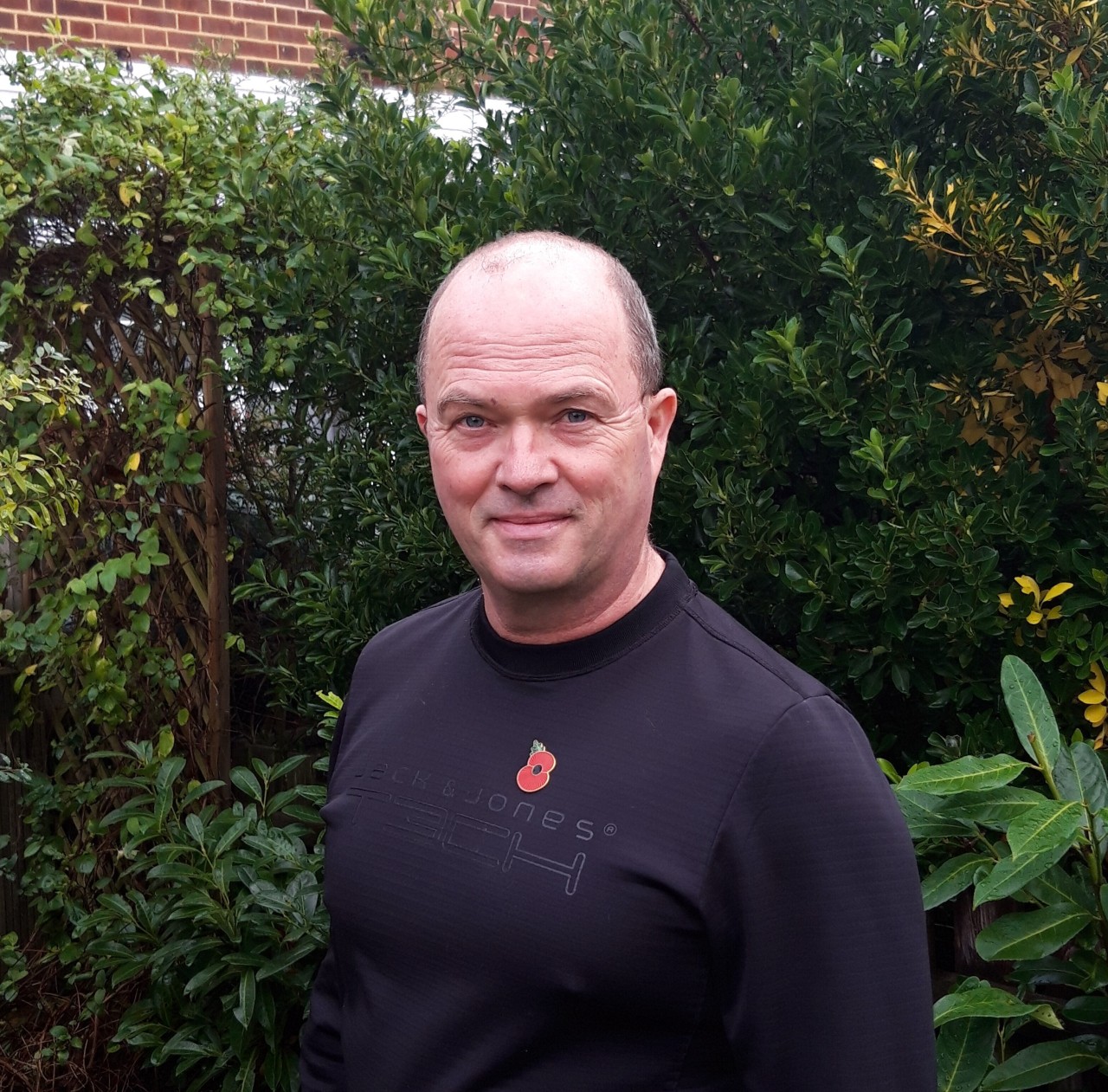
Part of the world I live: Bedfordshire
Occupation: Occupation Health professional, specialising in physical activity as medicine
What makes you well? Being active with friends and family
Why is social prescribing important? We are social animals, social prescribing considers the whole of the person, including their social connectedness, meaning any 'treatment' is holistic and typically longer lasting.
Your favourite nature-based space? By, or preferably on the sea.
Your favourite music? Tough, as my mixes are beyond eclectic, but anything that projects joy and power.
Your favourite pastime? At the moment, being on a small boat at sea.
If you had one wish for social prescribing? That it had equity to any other form of prescribing.
Leadership tips? Be inclusive and devolve authority (with support as needed), most people I've worked with in the health system want to do a good job, if you allow them to work to their strengths, they thrive.
Which one person has most influenced you? My dad, he started with nothing and despite significant adversity he made a good living for us and left a great legacy, his moto was let everyone make a profit (i.e. fairness and equity.
Advice for others? Be mindful that it's almost impossible to put yourself in someone else's shoes. Listen and observe and support them to make their own decisions.
When you subscribe to the blog, we will send you an e-mail when there are new updates on the site so you wouldn't miss them.
Comments