Blog

Connecting Conversations - Angela Rippon CBE

efd2e5ff-658e-2537-b3de-afc4c827c1ad

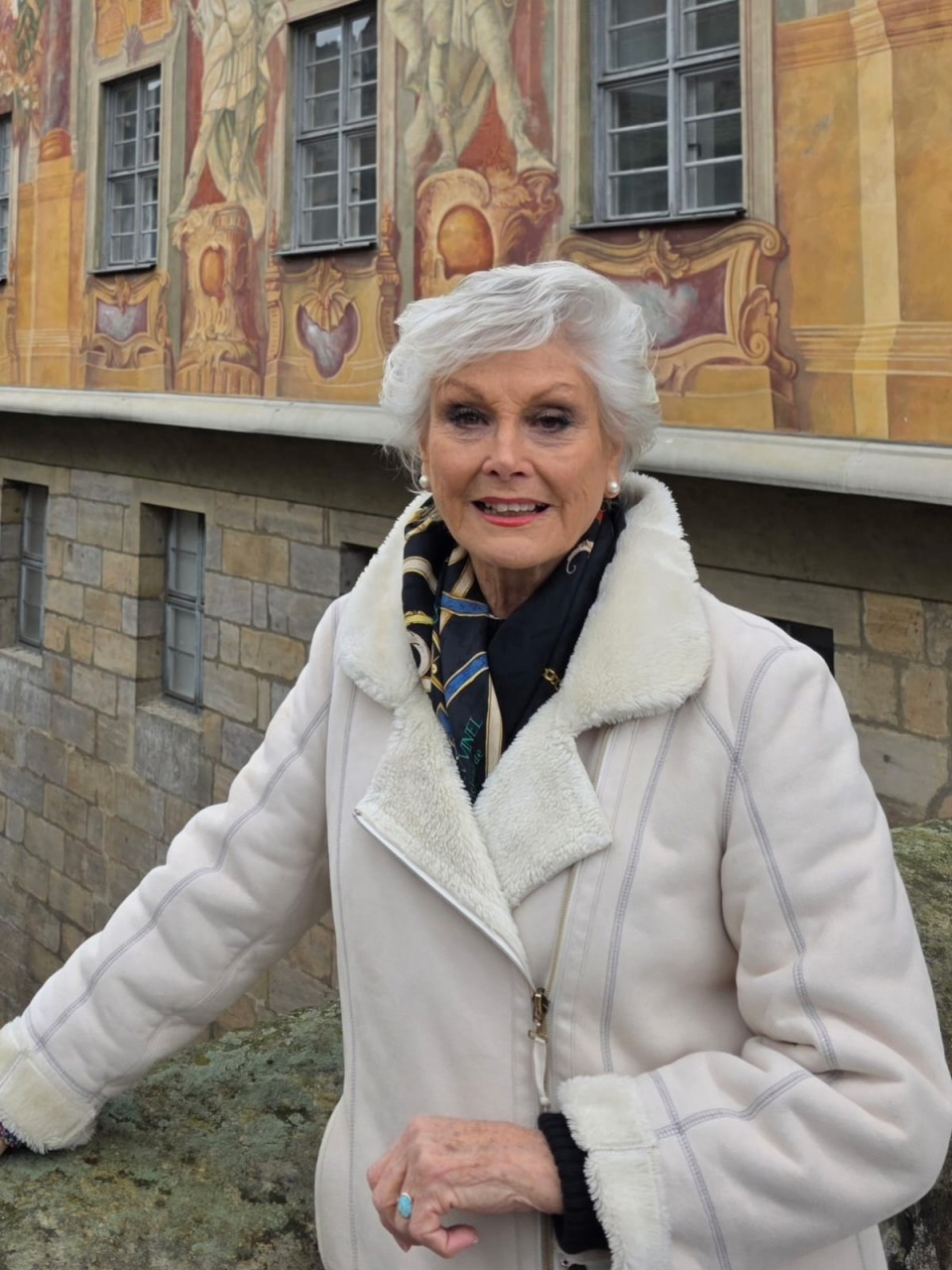
Angela Rippon is a broadcasting legend whose passion for dance and commitment to social wellbeing inspire people of all ages, demonstrating the powerful intersection of media influence and community involvement.

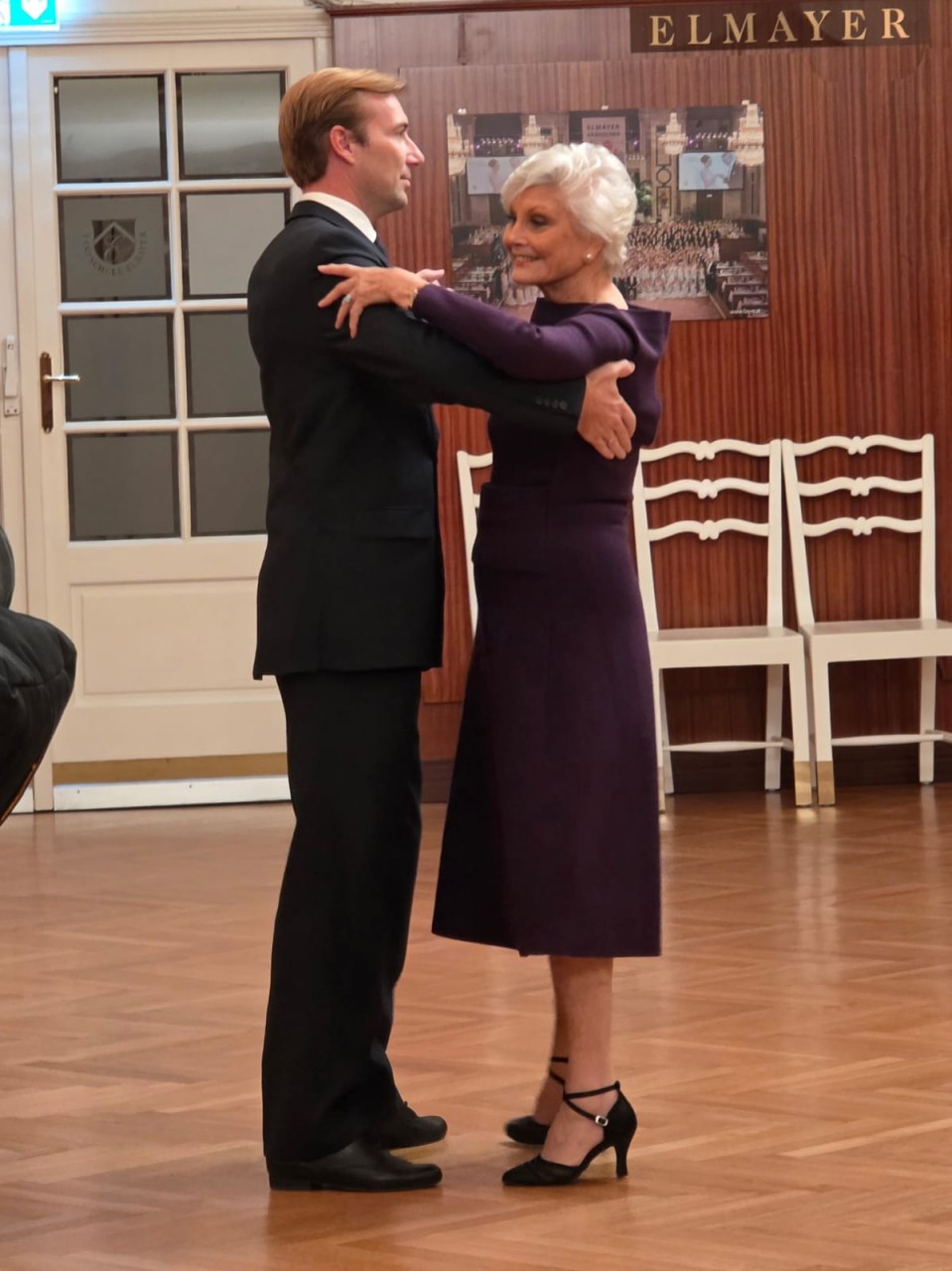
I met Angela last year at the Integrative and Personalised Medicine Congress (IPMC) where she took to the stage and danced enthusiastically with Muir Gray and then got the whole audience up and joining her. When you see Angela in action, doing what she loves you can't help but be inspired and admire her energy and passion. What captivates me more though is her energy to share that magic with others, striving to make a difference in others' lives, people who are living with daily challenges, including ill health. That connection through dance is where the link to social prescribing lies and I simply had to share her story and message with you all.

Angela Rippon was born in Plymouth in 1944 and made history as the first regular female newsreader on the BBC, pioneering a path for women in broadcasting. Beyond journalism, her lifelong dedication to dance has captured national admiration, from her iconic performance on the 1976 Morecambe & Wise Christmas special to her stunning participation in Strictly Come Dancing at age 79, showcasing her agility and passion.

Her love for dance grew into advocacy through the Let's Dance! campaign, promoting movement as a tool for physical, emotional, and social wellbeing. Linked to social prescribing initiatives, Angela encourages engagement in dance to support mental health, mobility, and combating isolation among communities, with a particular link to those living with Parkinsons. When not making programmes for television, she spends a lot of her free time focussing on these personal projects and charitable causes. Now an ambassador for the Carers Trust, she actively champions carers and supports dementia and aging communities, reflecting her broader commitment to social impact.

Angela's career illustrates how following what you love and getting involved with others can inspire others to live healthier, more connected lives. Her story is a great example resilience, vitality, and how things like the arts and wellbeing programs can make a real difference for people.

I hope you enjoy reading her blog! 

Let's Dance! With Social Prescribing

by Angela Rippon CBE 

Back in August of 2023, when I accepted the invitation (the challenge!) to compete in the BBC programme Strictly come Dancing, I was more than prepared for the glitz, the glamour, and the sequins that came with it. What I did NOT expect, was that a year later I would be the founder of a Dance campaign called Let's Dance! With an ambition to get the nation dancing for their health and wellbeing, and that two new words would have entered my vocabulary. Social Prescribing.

Two, not so little words, by any stretch of imagination. But, as all of you will already know, they are words that potentially have a massive impact on the way in which the physical and mental health of the nation can be supported and improved, whilst saving the NHS millions in expensive and too often over prescribed pharmaceuticals.

I realize, that as someone with no medical background whatsoever, I'm in danger here of blundering into territory where I can be accused of displaying an amateurs arrogance on a subject that has exercised and involves greater medical minds than mine. So let explain where my passion for this subject springs from.

During my 10 weeks or so on Strictly, the public were constantly reminded of the fact that I was the "oldest contestant ever" on the programme, at the grand old age of 79. And as I made my way through the weekly contests, dancing a whole range of styles including the cha cha cha, the rumba, the Quick Step and Argentine Tango, I was overwhelmed by the rection from the viewers. Many of whom, very generously described me as "inspirational" – presumably because of my age.

Couple that with me hearing the Chief Medical Officer, Chris Whitty talk on the Radio4 Today programme about the poor state of the NHS, and how each of us each of us should be "Taking more responsibility for our own health " by going to the gym, and dancing. I thought, well, here is one "pensioner" who could encourage that, and help the NHS out. And I did it by getting all the major dance organisations in the country together, to start a project called Let's Dance! A campaign to demonstrate that dance is not just a great entertainment, it is also the finest form of exercise for the health and wellbeing of the mind and body. Also a great way of beating isolation and loneliness through social contact. And most of all – it's fun. I've never seen anyone come off a cross-trainer dripping in Lycra and sweat saying "I really enjoyed that" – but dancers always leave a class with a huge smile on their face, with endorphins, serotonin and dopamine flooding through their bodies.

As Daisy Fancourt, who is one of the country's leading experts on the value of the arts in general, and dance in particular in supporting health says "If dance was a drug – it would be described as a Superdrug. Indeed it is the only legal performance enhancing drug you will ever need".

In our first year over 20,000 dance teachers in the four nations took up the challenge to "Get the nation healthy". They opened their doors to the public on a National Day of Dance in March 2025 and said "Come in – join a class, attend a workshop, have a free lesson. Just see what dance can do for you". And since then we have gone from strength to strength.

And as we've grown, so has my knowledge and involvement in the way that dance ticks so many other health and wellbeing boxes. For instance, I wish you could see for yourselves the outstanding effect dance has on Parkinson's patients. Indeed, according to Caroline Rassell, the CEO of Parkinson's UK, Dance is "a miracle" in the way that it builds the core strength, balance and co-ordination in patients. Slowing down the progress of their disease, and giving them back control of their bodies once the music begins. Look at the evidence-based research being done into the way that dance can help cancer patients by reducing pain after chemo treatment and help speed up recovery. Similarly with patients recovering from Stroke, from major orthopaedic operations. How dance can help people of all ages affected by depression, stress and mental health issues, "Dance out of their darkness".

I recently watched a group of young people who had suffered serious trauma using dance to free their emotions and help them on the road to recovery.

And those are just a few examples of where dance is daily proving that it brings a genuine non-medical solution to medical problems. With teachers all over the country using their skills and knowledge to help older people prevent falls, live long, strong and healthy lives. Give young people an escape from stress and bullying. Take isolation and loneliness out of people's lives. Literally they are getting the nation dancing, to help get the nation healthy.

There are over 30 thousand pieces of evidence-based material proving that the arts in general, and dance in particular can achieve results in the improvement of medical conditions that no extra written pharmaceutical prescription can.

All of which has led me to realize the incredible value that dance can bring to Social Prescribing.

What a brilliant concept that is! Making it possible for GPs to look for a non-medical intervention for certain conditions. One that will produce positive results in patients, rather than writing yet another prescription. And adding, unnecessarily in many cases, to the staggering £21 billion spent on pharmaceuticals annually.

With over 3 thousand Social Prescribing Link Worders already employed in surgeries across the country, Social Prescribing is already making a major impact on so many areas of the NHS.

The brilliant National Academy for Social Prescribing has carried out research on the impact of SP in 9 areas of the country and their results are staggering.

In Thameside a 42% reduction in GP appointments. In Kirklees, a 66% reduction in visits to A and E. In Rotherham 70% reductions in A and E visits over 12 months. In every one of the 9 areas there were improvements in mental health, and wellbeing. A reduction in loneliness, demand for GP and Hospital emergencies. Healthier behaviours, weight loss and improved management of long-term conditions.

Overall there was a reduction in pressure on health services generally, coupled with a return on investment that gave the areas a financial return of anything from £2.14 to £8.56 for every £1.00 invested.

So healthier patients. A healthier NHS budget. What's not to like? And all of this was news to me.

I already knew of some brilliant work being done by dance teachers working with Parkinson's patients and other major conditions. Made a film for the BBC programme, The One Show about a man who recovered from a stroke, and got out of his wheelchair to walk again after dance classes improved and sped up his recovery. Saw and experienced for myself the remarkable change that dancing six hours a day for up to 12 weeks had on the bodies and weight of the Strictly celebrities.

So how come dance is not right up there with going to the gym, doing a park run, taking yoga classes and cold water swimming, as an obvious aid to patients?

Because it isn't.

I looked on Google and saw a wonderful description of Social Prescribing which states clearly what the benefits of SP are, saying that "gardening, meditation, yoga, park runs, art, singing and drama" are recommended.

No mention at all about the one exercise that is the best overall exercise for the health and well being of the mind and body. No mention at all about the incredible difference dance can make, and indeed is already making, to so many medical conditions.

So those "two little words" have become my challenge for 2026. It is my ambition to get every GP and link worker in the country to recognise that Dance is an area they should consider for patients when faced with specific conditions.

To that end, over the next few months, every dance teacher in the country will be contacting their nearest GP surgery, introducing themselves to the Doctor and the Link worker. Letting them know about the dance opportunities they can bring to their surgeries.

Providing them with evidence-based material on the value of dance and the difference it can make to patients, inviting them to come to a class and see what can be achieved.

I'll give you two simple examples.

Currently there are 166 thousand people diagnosed with Parkinson's in the UK. Just over 4 thousand of those attend regular dance classes specifically designed to work with their condition. Dame Arlene Phillips is working with the teachers of English National Ballet – who pioneered much of this work, to create a new programme of choreography for those who can stand or sit, which will be used in classes throughout the land. As we know the core strength, balance and co-ordination are transformed. Their gait improves. They become stronger. And mentally so elated when moving to music enables them to take back control of their shaking bodies. Often confounding their doctors when they see the progress of Parkinson's slowing down, and their patients in good spirits. So our ambition is to see these benefits made available to as many as possible of the rest of the 160 or so thousand Parkinson's patients.

According to the Medical Research Council, over one and a half million people over 60 are annually hospitalised after a fall. They may spend weeks in hospital, as their muscles atrophy, some may never come home at all. Those that do often have lost confidence, become agoraphobic, and loose contact with friends and their community. The cost in human terms is incalculable. In financial terms to the NHS, it runs into hundreds of millions. Dance classes in their 50s, 60s and 70s will again improve balance and core strength and ensure they are never isolated and lonely.

I'm not claiming that dance will suit everyone, or that it's a total cure all. But the evidence is undeniable.

Dance has the ability help heal the mind and body, in a way that no other form of exercise or artistic endeavour can for people of all ages.

So let's see dance become an important and regular part of the Social Prescribing programme.

Let's give dance teachers a chance to help get the national Healthy.

Let's dance.

Angela Rippon CBE

Founder of Let's Dance! 

About Angela:

Part of the world I live: Central London with the Westcountry as a "bolt hole"

Occupation: Broadcast journalist

What makes You well? I have been ill – and I don't like it. I much prefer being fit and healthy so have a positive outlook on life – and look after myself!

Why is social prescribing important? Because it has the potential to save the NHS millions, and ensure that people have access to the arts in general, and dance in particular, which can help heal the mind and body in ways beyond anything achieved through pharmaceuticals.

Your favourite nature based space? Dartmoor

Your favourite music? Anything that lifts my soul and get my feet tapping

Your favourite pastime? Being with friends

If you had one wish for social prescribing what would it be? That every GP and link worker in the country would become more aware of the power of dance as a valuable tool in their "non medical" armoury.

What are your leadership tips for others who want to set up social prescribing projects? Talk to dance teachers – see how they can help and then tap into their expertise.

Which one person has most influenced you and why? My Father. He had a wonderfully positive outlook on life. He was a great role model.

Any advice for others when working in this space with communities? Be prepared to experience a level of "joy" that comes with no other community activity. Dance is fun – and people have a ball!! 
×
Stay Informed

When you subscribe to the blog, we will send you an e-mail when there are new updates on the site so you wouldn't miss them.

Connecting Conversations - Deepak Ravindran
 

Comments

No comments made yet. Be the first to submit a comment
Sunday, 19 April 2026
Royal College of Medicine